
Bulgaria: Switch to the euro in January 2026
The time has finally come for Bulgaria to adopt the euro, starting in January 2026!
Economy
2 min
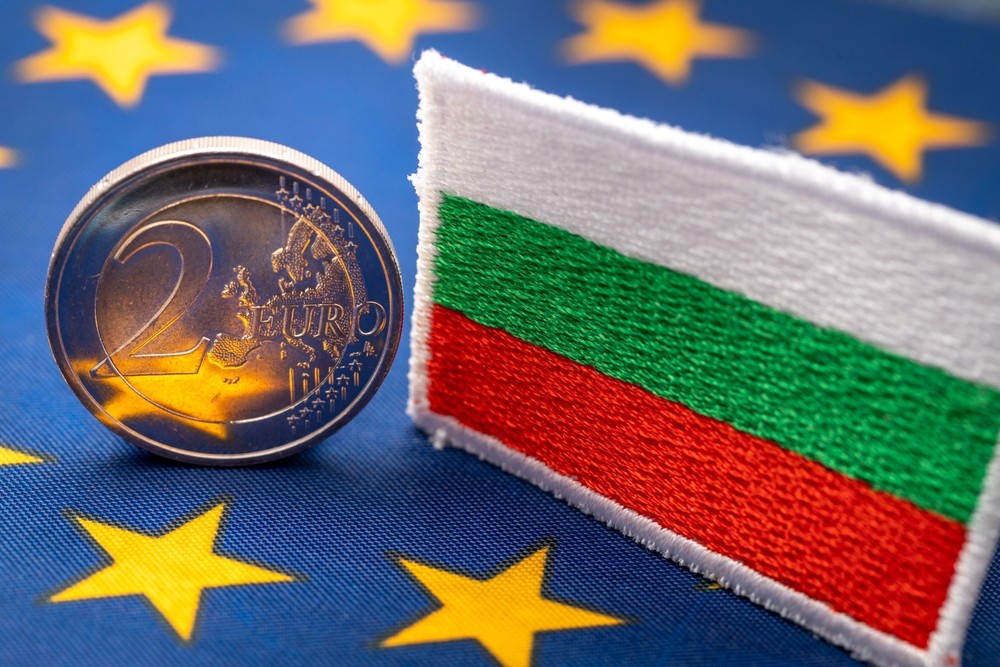
Bulgaria adopts the euro: a new step in its European integration
Sofia, October 2025 – Bulgaria is preparing to take a historic step: from January 1, 2026, the country will adopt the euro as its official currency, ending more than 140 years of using the Bulgarian lev (BGN).
This decision, approved by the European Commission, the European Central Bank, and the Council of the European Union, marks the culmination of a long process of economic convergence that began more than a decade ago. Bulgaria will thus become the 21st member country of the eurozone.
A long road to the single currency
Since 2020, Bulgaria has been participating in the European Exchange Rate Mechanism (ERM II), an essential step before adopting the euro. In recent years, the country has stabilized its inflation, brought its public debt under control, and aligned its banking legislation with that of the eurozone.
The conversion rate will be set at €1 = BGN 1.95583, identical to the rate in force since the country joined ERM II. From January 2026, prices will be displayed in dual currency for several months to facilitate the transition for citizens.
A decision with major economic implications
For the Bulgarian government, this change will bring greater monetary stability, lower transaction costs, and increased confidence among foreign investors.
Companies, particularly those trading with the eurozone, should benefit from greater economic predictability and easier access to credit.
The authorities say that everything will be done to avoid the price increases that are often feared when the euro is introduced. Specific controls will be put in place at the end of 2025 to oversee the conversion.
A powerful symbol for Bulgaria
For the Bulgarian Prime Minister and European institutions, this transition to the euro symbolizes much more than a simple change of currency: it represents a strengthening of economic and political ties with the European Union.
The event will be accompanied by a broad national information campaign to prepare households and businesses for this historic transition.
Expected impact on the real estate market
The adoption of the euro should also stimulate the Bulgarian real estate market, which has already been growing strongly in recent years. The elimination of currency risk and the stability provided by the single currency should attract more European investors, particularly in major cities such as Sofia, Plovdiv, Varna, and Burgas.
Experts anticipate a gradual rise in residential and commercial real estate prices, driven by an influx of foreign capital and increased demand for secure assets in the eurozone.
However, the authorities are calling for caution in order to avoid speculative overheating: several fiscal and banking measures are being considered to support this new dynamic while preserving access to housing for Bulgarian households.
Conclusion
Bulgaria's entry into the eurozone marks a decisive step in its European integration and confirms the renewed stability of its economy.
Beyond its symbolic significance, this transition represents a major opportunity to modernize financial infrastructure, attract investment, and bring the country even closer to the economic standards of the Union.
While the transition will be closely monitored, the medium-term outlook remains largely positive for growth, confidence, and the attractiveness of Bulgaria.